Covers important global and national observances that raise awareness about environmental issues, sustainability, and social responsibility.

11 May 2026
World Soil Day serves as a vital global audit of our most fundamental natural capital, emphasizing that the thin layer of topsoil beneath our feet is the silent engine of human survival. As we observe this day, the focus has shifted from mere conservation to the active restoration of soil carbon through regenerative farming, a transition that is now recognized as a prerequisite for global food security. Soil is not merely an inert medium for plant growth; it is a complex, living ecosystem that holds more carbon than the atmosphere and all terrestrial vegetation combined. However, decades of conventional industrial agriculture—characterized by intensive tillage, monocropping, and the heavy application of synthetic fertilizers—have depleted this vital carbon pool, leaving soils "starved" and structurally weak. This degradation creates a dangerous feedback loop: as soil organic matter vanishes, the soil loses its ability to retain water and nutrients, leading to declining crop yields, increased vulnerability to droughts, and the release of sequestered carbon back into the atmosphere as carbon dioxide. Regenerative farming offers a scientifically grounded pathway to break this cycle by prioritizing the "biology of the soil" over the "chemistry of the crop." By adopting core principles such as minimizing soil disturbance (no-till or low-till), maintaining continuous living roots, and integrating diverse crop rotations with cover cropping, farmers can actively pull carbon from the air and store it in the ground. This process of soil carbon sequestration does more than just mitigate climate change; it fundamentally re-engineers the soil’s physical properties. Carbon-rich soils act like sponges, significantly increasing water infiltration and holding capacity, which allows crops to thrive even during prolonged dry spells or survive heavy rainfall without the topsoil washing away. Furthermore, healthy soil carbon levels support a vast microbiome of fungi and bacteria that naturalize nutrient cycling, reducing the farmer's dependency on expensive and environmentally damaging chemical inputs. The linkage between soil health and food security is, therefore, absolute. With over 95% of our food originating from the soil, the "Silent Collapse" of soil fertility represents a direct threat to the stability of the global food system. As populations rise and climate-induced weather extremes become the norm, we cannot ensure food availability without resilient, high-functioning soils. Regenerative practices provide the "Climate Insurance" necessary to stabilize yields in an unpredictable environment. On World Soil Day, the message is clear: protecting soil carbon is not just an environmental choice but an economic and humanitarian imperative. By transitioning toward regenerative systems, we can restore the Earth’s digestive system, ensuring that our agricultural lands remain productive, our climate remains stable, and our global food supply remains secure for generations to come. ...Read more

11 May 2026
The International Day of Forests serves as a critical global audit of ecological integrity, exposing a profound accountability gap between the high-profile optics of mass tree plantation and the often-neglected reality of long-term tree survival. For decades, environmental progress has been measured through the "numbers game" of saplings planted—a metric that provides immediate political and corporate capital but fails to account for the complex biological requirements of forest establishment. This obsession with the initial act of planting often overlooks the fact that a sapling is not a forest; it is merely a biological potential that requires years of irrigation, protection from grazing, and soil nutrient management to become a self-sustaining carbon sink. When mass-planting drives are executed without a survival mandate, the results are often catastrophic, with survival rates in some unmonitored regions plummeting below twenty percent due to poor species selection, lack of local community involvement, and the absence of post-planting care. To bridge this gap, the focus must shift from "quantity-based reforestation" to "quality-based forest stewardship," where success is audited not by the number of pits dug on a single ceremonial day, but by the canopy density and biodiversity index recorded five to ten years later. This transition requires the implementation of radical transparency through geo-tagging and satellite-based monitoring, ensuring that every "green" investment is backed by verifiable data rather than ephemeral headlines. Furthermore, authentic forest restoration must prioritize indigenous species and ecological "fit" over fast-growing monocultures, which may look impressive in the short term but offer little in the way of climate resilience or habitat support. By redefining accountability as the sustained health of the ecosystem rather than the speed of the shovel, we ensure that the International Day of Forests moves beyond a symbolic gesture toward a permanent structural commitment to the planet's atmospheric and biological health, recognizing that the survival of a single mature tree is often more valuable than the planting of a thousand saplings that will never reach maturity. ...Read more

11 May 2026
Plastic Free July marks a fundamental shift in the global response to the plastic crisis, moving beyond individual lifestyle adjustments toward a systemic overhaul of the plastic economy. For years, the conversation was dominated by consumer-led "refusal" strategies; however, the current landscape is defined by high-stakes international diplomacy, aggressive regulatory shifts, and a manufacturing revolution that treats plastic not as a disposable convenience, but as a managed asset. This transition is anchored by four critical pillars: the finalization of a legally binding global treaty, the implementation of comprehensive Extended Producer Responsibility (EPR) frameworks, the industrialization of refill and reuse models, and a profound shift in consumer psychology from "waste management" to "resource stewardship." At the summit of global policy sits the Global Plastic Treaty, an international instrument designed to address the full lifecycle of plastic—from design and production to final disposal. Recent negotiations have focused on breaking the historical deadlock between production-focused caps and downstream waste management. The emerging consensus favors a "Circular Design" mandate, which effectively bans the creation of products that are "unrecyclable by design," such as complex multi-layered laminates and microplastic-laden formulations. By establishing unified global standards, the treaty aims to eliminate the regulatory "race to the bottom," ensuring that corporations are held to the same environmental standards regardless of where they manufacture. This treaty signifies a global recognition that plastic pollution is a transboundary crisis that cannot be solved by any single nation in isolation. Directly supporting these international goals is the rapid deployment of Extended Producer Responsibility (EPR) legislation. EPR has evolved from a voluntary corporate social responsibility (CSR) initiative into a mandatory financial and operational requirement across dozens of major jurisdictions. The modern EPR framework utilizes "Eco-Modulation," a system where producers pay fees based on the environmental footprint of their packaging. Products that are easy to reclaim and recycle incur lower fees, while "problematic" plastics are taxed heavily. These funds are redirected into municipal sorting infrastructure and chemical recycling technologies, effectively internalizing the environmental costs of plastic production into the brand's bottom line. In many regions, this has led to a dramatic simplification of packaging portfolios as companies strip away unnecessary colors, layers, and additives to minimize their regulatory costs. However, the true "North Star" of the plastic-free movement is the shift from recycling to Refill and Reuse Models. Industrial-scale refill systems are now being integrated into urban retail environments, replacing the "take-make-waste" cycle with a "Packaging-as-a-Service" model. This involves the use of IoT-enabled refill kiosks for bulk goods and standardized, durable containers for personal care and household products. By treating a bottle as a durable asset that can be professionally cleaned and refilled dozens of times, companies can reduce their material intensity by over 70%. This revolution is supported by a "Reverse Logistics" infrastructure, where the same networks that deliver products to consumers are used to reclaim empty containers, creating a truly closed-loop system that eliminates the need for single-use plastic at the source. The success of these structural changes is ultimately validated by a seismic shift in Consumer Behavior Change. Modern consumers are no longer satisfied with vague "recyclable" labels; they are increasingly auditing the integrity of the brands they support. This behavioral shift is driven by a collapse in trust regarding traditional recycling systems and a growing awareness of the health impacts of nanoplastics. As a result, sustainability has moved from a "premium" niche to a baseline requirement for market entry. Consumers are now acting as active participants in the "Refill Economy," utilizing digital platforms to track their "plastic prevented" metrics and favoring brands that offer radical transparency. Plastic Free July has thus become a period of collective accountability, where the choices of the individual are finally matched by the courage of the institution, ensuring that a plastic-free future is not just a seasonal goal, but a permanent structural reality. ...Read more

11 May 2026
The "One City, One Climate Action Plan" series serves as a rigorous audit of urban transformation, shifting the focus from national rhetoric to the granular reality of municipal policy. As Earth Day approaches, the global discourse must move beyond abstract targets for 2050 and look instead at the "Building Codes" and "Zoning Laws" that define the next decade of human survival. Cities are the engines of the global economy, consuming the vast majority of our energy and producing over 70% of greenhouse gas emissions. However, their centralized governance and high population density also make them the most efficient laboratories for climate innovation. Accountability in this series is defined by a city's ability to decouple its economic growth from environmental degradation, ensuring that "Net Zero" is not merely a financial accounting trick involving carbon offsets, but a physical reality reflected in the air quality of its streets and the resilience of its infrastructure. A critical pillar of city-level accountability is the "Decarbonization of the Built Environment," particularly in legacy cities where 70% to 80% of current buildings will still be standing in 2050. This requires a transition from spend-based modeling to activity-based data, where every skyscraper and residential block is audited for its energy intensity. True accountability is seen in cities that mandate "Local Laws" requiring large-scale retrofitting—replacing fossil-fuel-burning boilers with high-efficiency heat pumps and installing smart grids that can manage intermittent renewable energy. This is not just a technical challenge but a social one; the success of a city’s climate action plan is measured by its "Climate Justice" index. If the green transition primarily benefits affluent neighborhoods while leaving low-income areas vulnerable to heat islands and rising utility costs, the plan has failed the test of equitable sustainability. Furthermore, the "One City, One Climate Action Plan" series examines the "Metabolic Rate" of urban centers through the lens of the Circular Economy. Sustainable cities must move away from the "Linear Model" of importing vast amounts of raw materials and exporting mountains of waste. This involves pioneering "Urban Mining"—reclaiming precious metals and construction materials from demolished structures—and implementing "Digital Product Passports" for municipal procurement. By treating waste as a design flaw, cities can lower their "Scope 3" emissions, which represent the carbon footprint of the goods and services they consume from outside their borders. This holistic approach ensures that a city is not simply exporting its environmental impact to the Global South, but is taking full responsibility for its entire value chain. The series also highlights the "Adaptation Gap," recognizing that even with aggressive mitigation, cities must prepare for the physical impacts of a changing climate. Whether it is the "Sponge City" concept of using permeable pavements and urban wetlands to absorb storm surges, or the "15-Minute City" urban planning model that reduces the need for private car ownership, the focus is on resilience. Accountability here is measured by a city's "Climate Readiness"—its ability to protect vital infrastructure like power grids, water supplies, and hospitals from extreme weather events. On this Earth Day, the series concludes that while the climate crisis is a global threat, the solutions are inherently local. By holding cities accountable for their specific climate action plans, we foster a "Race to the Top" where urban centers compete not just for capital, but for the title of the most livable, resilient, and sustainable habitat for the 21st century. This continuous narrative of accountability ensures that mayors and municipal leaders are held to the same standards as national heads of state. By stripping away the promotional segments and focusing on the raw data of carbon variance and resource efficiency, we provide a transparent roadmap for the future. The ultimate goal is to prove that urban density is not a liability, but our greatest asset in the fight for a stable climate. As we audit each city, from the high-tech hubs of the north to the rapidly expanding megacities of the south, the "One City, One Climate Action Plan" series provides the evidence-based optimism needed to turn the tide, proving that when a city commits to a science-based action plan, it doesn't just survive—it thrives. ...Read more

08 May 2026
World Environment Day serves as more than a ceremonial date; it is a global mandate for a radical shift in human consciousness. Established by the United Nations, this day acts as the primary vanguard for environmental advocacy, challenging us to confront the "triple planetary crisis" of climate instability, habitat destruction, and systemic pollution. It is a moment to recognize that the economy is a wholly-owned subsidiary of the environment—not the other way around. Beyond Sustainability: The Era of RegenerationFor decades, the global discourse centered on "sustainability"—the idea of maintaining the status quo. However, in an era where we have already breached critical planetary boundaries, the focus has evolved toward Ecological Regeneration. This paradigm shift moves us from merely "doing less harm" to "actively doing good." It involves the massive scaling of nature-based solutions: reforesting degraded lands to act as carbon sinks, restoring peatlands to prevent methane release, and transforming "concrete jungles" into sponge cities that breathe and filter water naturally. By mimicking the circularity of nature, we can transition from a linear extraction model to a regenerative loop. The Intelligence of Green Innovation:The bridge to a healthier planet is built with the bricks of innovation. We are witnessing a technological renaissance where green hydrogen, decentralized solar grids, and AI-driven resource management are no longer futuristic concepts but immediate realities. Specifically, in emerging sustainability corridors, the integration of traditional ecological knowledge with high-tech monitoring is creating a new blueprint for growth. By leveraging data to track biodiversity and carbon sequestration, businesses can move toward Radical Transparency, where every product’s environmental footprint is mapped and accounted for. The Collective Momentum:While systemic policy change is the engine of progress, individual action is the spark. World Environment Day democratizes environmentalism, reminding us that the transition to a net-zero world requires a "billion-person" effort. From the conscious consumer choosing plastic-free alternatives to the CEO pivoting their supply chain toward ethical sourcing, every decision ripples through the global ecosystem. A Legacy of Resilience:We are the first generation to witness the profound fragility of our biosphere and likely the last with the agency to reverse its decline. The choice is no longer between "the environment" and "the economy," but between a resilient future and an uninhabitable one. As we celebrate this day, the mission is clear: to reconcile our industrial ambitions with the rhythms of the natural world. By fostering a culture of stewardship rather than ownership, we can ensure that the legacy of the 21st century is one of restoration, resilience, and a renewed harmony with the only home we will ever have. ...Read more

08 May 2026
World Water Day, held annually on March 22nd, is far more than a day of environmental observance; it is a critical summons to safeguard the lifeblood of our civilization. Established by the United Nations in 1993, this day serves as a global spotlight on the 2.2 billion people currently living without access to safe water. It is a moment to reflect on a staggering paradox: while our planet is draped in blue, the freshwater that sustains terrestrial life, industry, and agriculture represents less than 1% of the Earth's total water supply. In the modern era, water is no longer just a natural resource; it is a geopolitical focal point, a human right, and the most vital prerequisite for a sustainable future. The Anatomy of a Global Thirst: Understanding the CrisisTo appreciate the urgency of World Water Day, we must look beyond the tap. The global water crisis is a multifaceted challenge driven by three converging forces: Over-consumption, Climate Instability, and Systemic Pollution. 1. The Scarcity of AbundanceWhile the total volume of water on Earth remains constant, the availability of usable freshwater is plummeting. Agriculture accounts for nearly 70% of global freshwater withdrawals, often utilizing inefficient irrigation techniques that deplete ancient aquifers faster than they can recharge. As the global population marches toward 9 billion, the demand for food—and consequently, water—is reaching a breaking point. 2. Climate Change as a Water CrisisClimate change manifests primarily through the water cycle. We see it in the "too much" and "too little"—catastrophic flooding that destroys infrastructure and prolonged droughts that turn fertile basins into dust bowls. Rising global temperatures accelerate evaporation and alter precipitation patterns, making water availability increasingly unpredictable. The melting of "The Third Pole"—the Hindu Kush-Himalayan glaciers—threatens the water security of over 1.5 billion people who rely on these rivers for survival. 3. The Silent Pandemic of PollutionEvery day, millions of tons of inadequately treated sewage, industrial effluents, and agricultural runoff are discharged into our waterways. This doesn't just kill aquatic life; it seeps into the groundwater, creating a "silent pandemic" of waterborne diseases. The presence of emerging contaminants, such as microplastics and "forever chemicals" (PFAS), has added a new layer of complexity to water purification, challenging even the most advanced filtration systems. The Blue Economy: Bridging Strategy and StewardshipIn the corporate and strategic landscape, water management has moved from the periphery to the center of ESG (Environmental, Social, and Governance) frameworks. We are witnessing the rise of the "Blue Economy"—a sustainable economic model that seeks to balance industrial growth with the health of water ecosystems. The India-UAE Water SynergyA fascinating case study in modern water management is the growing collaboration within the India-UAE corridor. Both regions face unique water challenges—India dealing with groundwater depletion and the UAE navigating the complexities of extreme aridity. The synergy between these nations is driving innovation in: Desalination 2.0: Moving away from energy-intensive thermal processes toward solar-powered Reverse Osmosis (RO), reducing the carbon footprint of "creating" freshwater. Wastewater Circularity: Treating "greywater" not as waste, but as a resource for urban cooling and industrial processes, effectively "closing the loop" on urban water consumption. Smart Irrigation: Leveraging IoT sensors and AI to deliver the precise amount of water needed for crops, drastically reducing agricultural waste. Innovation: The High-Tech ReservoirThe digital revolution is providing us with the tools to manage water with unprecedented precision. We are no longer guessing where the leaks are; we are predicting them. Digital Twins for Water Grids: Cities are now creating virtual replicas of their water infrastructure. By simulating different scenarios, engineers can optimize pressure, detect leaks in real-time, and prevent the loss of "Non-Revenue Water" (water that is produced but lost before it reaches the customer). Atmospheric Water Generation: In regions where groundwater is non-existent, technology is literally pulling water out of thin air. These devices use condensation technology to provide clean drinking water in arid climates, powered by renewable energy. Blockchain for Water Rights: In water-stressed basins, blockchain is being explored to create transparent, unalterable ledgers for water trading, ensuring that water allocations are fair and sustainable. Water as a Human Right: The Social DimensionThe United Nations' Sustainable Development Goal 6 (SDG 6) is clear: Ensure availability and sustainable management of water and sanitation for all by 2030. Water is a "gendered" issue. In many parts of the world, women and girls spend a collective 200 million hours every day fetching water—time that could be spent in school or in the workforce. Solving the water crisis is, therefore, a prerequisite for gender equality and poverty alleviation. When a community gains access to a reliable well or a piped water system, the local economy doesn't just improve; it transforms. The Philosophy of Water: Lessons from the SourceBeyond the science and the strategy, World Water Day invites a philosophical shift. Historically, great civilizations rose and fell based on their relationship with water—from the Indus Valley to the Mesopotamians. Water is a teacher of resilience and adaptability; as the saying goes, "be like water." We must transition from a culture of Exploitation to one of Reverence. This means recognizing the intrinsic value of a river, regardless of its utility to humans. It means acknowledging that every drop of water we use is "borrowed" from the future and must be returned to the cycle in a clean state. A Call to Action: Every Drop CountsIndividual actions, when multiplied by millions, create systemic change. This World Water Day, we can commit to: Water Auditing: Conduct a "water audit" of your home or office. A single leaky faucet can waste over 3,000 gallons of water a year. Conscious Consumption: Be aware of "virtual water"—the amount of water used to produce the food we eat and the clothes we wear. (For example, it takes roughly 2,700 liters of water to make one cotton t-shirt). Advocacy for Policy: Support legislation that protects wetlands, which act as natural "kidneys" for our planet, filtering pollutants and preventing floods. Corporate Responsibility: Encourage businesses to adopt "Water Neutrality" targets, ensuring they replenish as much water as they consume. Conclusion: Writing the New Water StoryThe story of the 21st century will be written in water. We are at a crossroads where we can either continue down a path of depletion, leading to "water wars" and systemic collapse, or we can choose a path of radical collaboration and innovation. World Water Day is our annual reminder that water is not a commodity to be hoarded, but a common heritage of humanity to be protected. By integrating state-of-the-art technology with ancient wisdom and cross-border cooperation, we can ensure that the "blue planet" remains a vibrant, thirst-quenched home for all. Let us act today so that the well never runs dry. Summary of Key Strategic Pillars for SustainVerse:Transboundary Cooperation: Highlighting the India-UAE partnership as a model for arid-region water security. Technological Integration: Showcasing AI and IoT as the new frontier in water conservation. The Circular Water Economy: Moving from waste disposal to resource recovery. ESG Leadership: Helping organizations navigate water risk as a core business strategy. ...Read more

08 May 2026
National Energy Conservation Day, observed annually on December 14th, serves as a pivotal cornerstone in India's journey toward a self-reliant and sustainable future. Orchestrated by the Bureau of Energy Efficiency (BEE), this day is not merely a symbolic gesture; it is a strategic mobilization of the country’s collective intellect and resources. It stands as a reminder that the "greenest" kilowatt-hour is the one that is never generated, and that energy conservation is the most cost-effective and immediate solution to the dual challenges of economic growth and climate change. In a rapidly developing nation like India, where energy demand is projected to grow faster than in any other country over the next two decades, conservation is not just an environmental preference—it is a national security imperative. The Architecture of Efficiency: Conservation vs. GenerationTo understand the significance of this day, one must distinguish between "energy conservation" and "energy efficiency." While conservation involves behavioral changes (such as turning off lights when not in use), energy efficiency involves technological optimization (using LED bulbs or high-efficiency motors to achieve the same result with less power). Together, they form the "First Fuel" of a sustainable economy. 1. Decoupling Growth from ConsumptionFor decades, it was believed that economic growth required a proportional increase in energy consumption. However, through aggressive energy conservation policies, India is proving that it can decouple GDP growth from energy intensity. By optimizing industrial processes and implementing building codes, we are learning to produce more while using less. 2. The Climate ImperativeEnergy production is the largest contributor to greenhouse gas emissions in India. By reducing our total energy demand through conservation, we directly lower the burden on our thermal power plants, thereby accelerating our path toward the "Panchamrit" goals—India's five-fold commitment to climate action, including reaching net-zero emissions by 2070. The Strategic Pillars of National ConservationIndia’s strategy for energy conservation is multifaceted, targeting the sectors with the highest footprints: Industry, Buildings, and Appliances. I. The Industrial Frontier: The PAT SchemeThe Perform, Achieve, and Trade (PAT) scheme is a flagship initiative of the BEE. It targets energy-intensive industries (such as cement, steel, and fertilizers) and sets mandatory specific energy consumption targets. Industries that exceed their targets are rewarded with Energy Saving Certificates (ESCerts), which can be traded. This market-based mechanism has transformed energy efficiency from a regulatory burden into a financial asset. II. Urban Evolution: The Energy Conservation Building Code (ECBC)As India undergoes a massive urban transition, the buildings we construct today will lock in energy consumption patterns for the next 50 years. The Energy Conservation Building Code (ECBC) ensures that new commercial buildings incorporate "passive design" features—utilizing natural light, superior insulation, and ventilation—to minimize the need for artificial cooling and lighting. III. The Domestic Revolution: Standards & LabelingThe iconic "Star Labeling" system on appliances (ACs, refrigerators, geysers) has democratized energy conservation. It empowers the average consumer to make informed decisions, transforming every household into a participant in the national conservation movement. The UJALA scheme, which distributed millions of LED bulbs across the country, stands as one of the world’s largest and most successful energy-efficiency programs, drastically reducing the peak load on the national grid. The India-UAE Energy Corridor: A Synergy of EfficiencyThe dialogue surrounding National Energy Conservation is increasingly global. The burgeoning India-UAE Sustainability Corridor offers a masterclass in how cross-border cooperation can drive efficiency. Green Hydrogen Synergy: As the UAE invests in large-scale green hydrogen production, India provides the technological expertise and market demand. This collaboration focuses not just on producing clean energy, but on ensuring that the process of production and transport is energy-efficient. Knowledge Exchange in Arid Cooling: Both nations face extreme cooling demands. Joint research into "District Cooling" systems—which are up to 40% more efficient than individual air conditioning units—is a key highlight of this partnership. Innovation: The Digital Grid and AIThe future of energy conservation lies in the marriage of power and pixels. The integration of Smart Grids and Artificial Intelligence (AI) is revolutionizing how we monitor consumption. Demand-Side Management (DSM): AI algorithms can now predict peak load times and automatically adjust the energy consumption of industrial equipment or smart home appliances, smoothing out the demand curve and preventing the need for "peaker" power plants (which are often the most polluting). IoT and Real-Time Monitoring: Internet of Things (IoT) sensors allow factory managers and homeowners to see exactly where energy is being wasted in real-time, moving conservation from a monthly bill reflection to a second-by-second action. The Social Dimension: Energy Conservation as a Lifestyle (LiFE)Prime Minister Narendra Modi’s Mission LiFE (Lifestyle for Environment) emphasizes that conservation is rooted in mindful consumption. In the Indian context, conservation is not a new concept; it is an ancestral value. Reclaiming these values—such as the "circularity" of resources and the "frugality" of waste—is essential for a modern sustainable society. When an individual chooses a bicycle for a short commute, or a company chooses to hold a "Green Hour," they are contributing to the national energy reserve. Conservation is a collective effort where the "power of one" translates into the "power of millions." The Economic Dividend: Why Conservation Makes SenseBeyond the environment, the economics of conservation are undeniable: Reduced Energy Bills: For industries, efficiency directly improves the bottom line and global competitiveness. Job Creation: The energy efficiency sector is a major employer, creating "green-collar" jobs in auditing, retrofitting, and high-tech manufacturing. Subsidy Reduction: By reducing the total demand for power, the government can reduce the massive subsidies provided to the power sector, freeing up capital for healthcare and education. Conclusion: A Vision for 2047As India marches toward its centenary of independence in 2047, energy conservation will be the silent engine of its progress. We are transitioning from a period of "energy scarcity" to an era of "energy responsibility." National Energy Conservation Day is a call to move beyond the technical and into the ethical. It asks us to view energy not as an infinite commodity, but as a precious resource that must be managed with wisdom and foresight. By integrating cutting-edge technology with traditional values and strategic international partnerships, we can build a nation that doesn't just grow fast, but grows smart. Let us resolve to make every day an energy conservation day. Through our choices today, we secure the light for tomorrow. Strategic Action Points for Sustain Verse (The 'Features' Perspective):The Audit Advantage: Highlighting the importance of professional energy audits for SMEs to identify hidden waste. The Tech Showcase: Featuring innovations in solid-state cooling and high-efficiency motor technology. Corporate Leadership: Showcasing Indian firms that have achieved "Carbon Neutrality" through aggressive efficiency measures. ...Read more
08 May 2026
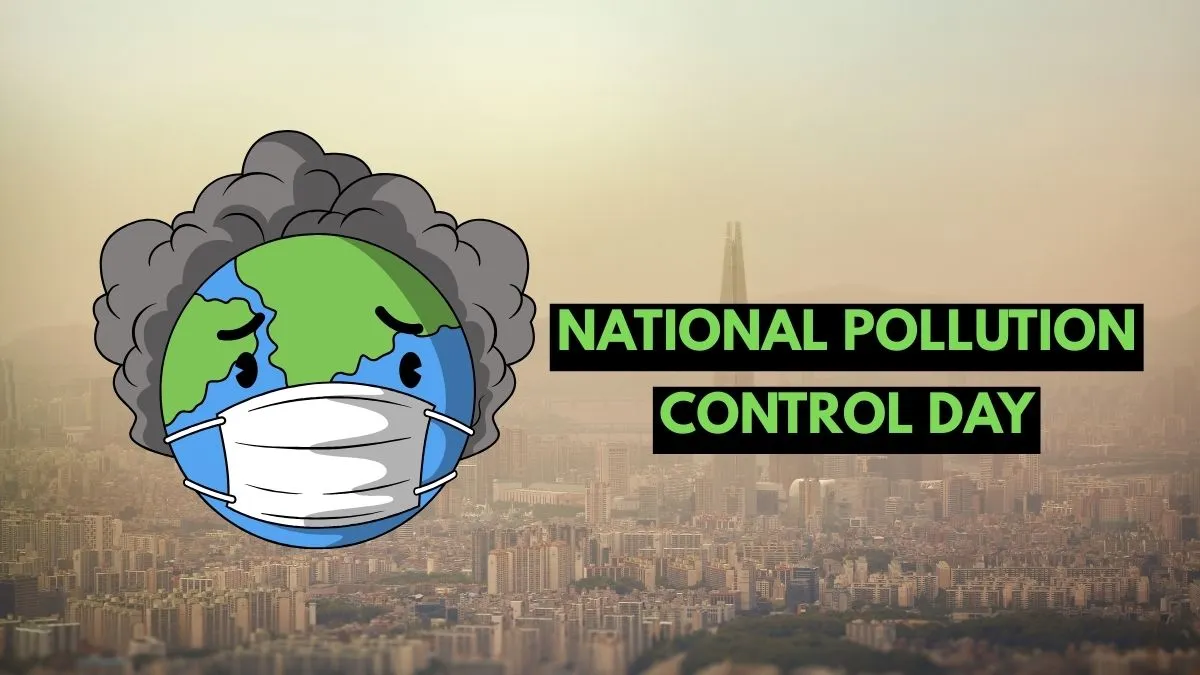
For centuries, we treated water as an infinite background character in the story of human progress. In 2026, water has taken center stage as the world’s most strategic asset. World Water Day is no longer just about conservation; it is about the "Blue Renaissance"—a total reimagining of how we interact with the H2O molecule. Imagine a world where cities don’t just consume water but "breathe" it. Through Atmospheric Water Generation (AWG), we are now pulling high-quality drinking water directly from the humidity in the air, powered entirely by the sun. In the strategic corridors between India and the UAE, we are seeing the birth of "Water-Positive" architecture, where buildings act as giant filters, cleaning the rain and recycling greywater in a closed-loop system that mimics the forest floor. The future of water is not in the scarcity we fear, but in the intelligence we apply. From Digital Twins that predict pipe bursts before they happen to Desalination 2.0 that turns brine into valuable minerals, we are finally learning to respect the "Liquid Gold." This March 22nd, we aren't just saving drops; we are engineering an ocean of opportunity. The Invisible Architect: Energy Conservation as the Ultimate Hack.If energy generation is the muscle of a nation, then National Energy Conservation is its brain. We often think of "saving energy" as a sacrifice—turning off the AC or sitting in the dark. But the new reality is far more exciting: it’s about "Passive Power." We are entering the era of the Invisible Architect. This involves designing cities that use "Phase Change Materials" in their walls—substances that absorb heat during the day and release it at night, maintaining a perfect temperature without a single watt of electricity. On December 14th, we celebrate the innovators who are turning our skylines into "Energy Sponges." The real thrill lies in the Internet of Energy (IoE). Imagine your electric vehicle (EV) talking to your smart fridge and the national grid, shifting power loads in milliseconds to ensure not a single spark is wasted. By mastering the "Power of Less," India is not just meeting its climate goals; it is building the most efficient, high-tech economy the world has ever seen. Conservation is the ultimate "life hack" for a planet that refuses to slow down. The Zero-Harm Vision: Rewriting the Industrial ScriptNational Pollution Control Day (December 2nd) is often viewed through the lens of tragedy, but its future is defined by Radical Transformation. We are moving away from the "Smokestack Era" and into the age of Molecular Responsibility. The most interesting shift in pollution control isn't better filters—it’s Green Chemistry. We are redesigning molecules so that they are "Born to Biodegrade." Imagine an industrial plant where the "waste" isn't a toxic sludge, but a nutrient-rich byproduct used to fertilize local vertical farms. This is the Circular Industrial Bio-system, where the concept of "pollution" is treated as a design failure. With AI-Satellite Sentinels now circling the globe, we have "God’s Eye View" of every carbon plume and chemical leak. Radical transparency is the new standard. For the India-UAE corridor, this means building "Clean-Tech Bridges" where industrial zones are monitored by real-time sensors, ensuring that the air our children breathe is as prioritized as the profits we report. We are finally proving that we can be an industrial powerhouse without being a planetary parasite. ...Read more

08 May 2026
Van Mahotsav, the "Great Festival of Forests," is far more than an annual tree-planting drive in India; it is a profound socio-ecological movement. Established in 1950 by K.M. Munshi, the then Union Minister for Agriculture and Food, this festival was conceived as a crusade to save the "Mother Earth" from the encroaching desert of industrialization. Celebrated during the first week of July—coinciding with the arrival of the life-giving monsoons—Van Mahotsav represents a national pact to restore the green lungs of the subcontinent. In 2026, as we stand at the crossroads of climate volatility and technological revolution, Van Mahotsav has evolved. It is no longer just about putting a sapling in the ground; it is about the strategic design of Living Infrastructure. The Philosophy of the Festival: Beyond the PitTo understand the true spirit of Van Mahotsav, one must look at the tree not as a static object, but as a dynamic biological machine. The festival was founded on the principle that the protection of forests is inseparable from the survival of humanity. 1. The Carbon CurrencyEvery tree planted during Van Mahotsav acts as a carbon sequestering unit. In an era of carbon credits and net-zero targets, the forest has become our most valuable "Carbon Bank." A single mature tree can absorb approximately 22kg of carbon dioxide per year, acting as a natural buffer against global warming. When millions of citizens participate in this festival, they are effectively contributing to a massive, decentralized carbon-capture project. 2. The Hydrological AnchorTrees are the primary regulators of the water cycle. Their roots act as biological anchors, preventing soil erosion during the heavy Indian monsoons and facilitating groundwater recharge. By planting trees, we are essentially "planting water." In water-stressed regions, the afforestation efforts of Van Mahotsav are the first line of defense against drought. The Modern Evolution: Precision AfforestationIn the current decade, Van Mahotsav has integrated high-tech solutions to ensure that the "Green Cover" is both resilient and diverse. We have moved from "mass planting" to "Precision Afforestation." The Miyawaki Method: Urban centers in India are increasingly adopting the Miyawaki technique, which involves planting dozens of native species in close proximity. This creates "Tiny Forests" that grow ten times faster and are thirty times denser than traditional plantations. During Van Mahotsav, these urban forests transform "Heat Islands" into cool, breathable sanctuaries. Drone-Seed Bombing: In inaccessible terrains like the Aravallis or the Western Ghats, drone technology is being used to disperse seed balls. This "aerial afforestation" ensures that even the most rugged landscapes are part of the green resurrection. The Biodiversity Mandate: Modern Van Mahotsav emphasizes Native Species Resilience. Instead of monocultures (like eucalyptus or teak), the focus has shifted to indigenous giants like Banyan, Neem, Peepal, and Jamun, which support local bird and insect populations, restoring the entire ecological food web. The Strategic Corridor: India and the UAE’s Green VisionThe spirit of Van Mahotsav is now echoing across borders, particularly within the India-UAE Sustainability Corridor. Both nations have recognized that green cover is the most effective tool against desertification. Mangrove Synergy: The UAE’s ambitious goal to plant 100 million mangroves by 2030 finds a perfect partner in India’s long-standing expertise in protecting the Sundarbans. Mangroves are "blue carbon" powerhouses, sequestering up to five times more carbon than terrestrial forests. Joint research and exchange programs during Van Mahotsav are helping both nations build "Coastal Bio-Shields" against rising sea levels. Arid Zone Innovation: India’s success in greening the Thar Desert is providing a blueprint for the UAE’s "Green Dubai" initiatives. This exchange of "Arid-Tech" ensures that the trees planted are drought-resistant and require minimal water, maximizing the survival rate of every sapling. The Corporate Sector: ESG and 'Green-Collar' ResponsibilityFor the corporate world, Van Mahotsav is the ultimate ESG (Environmental, Social, and Governance) milestone. Companies are moving away from tokenistic tree-planting photos and toward long-term Forest Stewardship. Leading organizations are now adopting "Corporate Forests," where they take responsibility for the maintenance and growth of a forest patch for a minimum of ten years. This shift ensures that the trees planted during the festival actually survive to maturity. By integrating these efforts into their sustainability reports, businesses are proving that their growth is not just measured in revenue, but in canopy cover. The Individual as an Eco-Warrior: Mission LiFEAt its heart, Van Mahotsav is a grassroots festival. It aligns perfectly with the Mission LiFE (Lifestyle for Environment) initiative, which advocates for mindful living. The "Tree-Birth" Tradition: A growing trend in India involves families planting a tree to celebrate the birth of a child or a significant milestone. This personal connection turns a tree into a family member, ensuring its lifelong protection. Citizen Science: During Van Mahotsav, thousands of students and volunteers use apps to geo-tag the saplings they plant. This "Digital Forest Map" allows citizens to monitor the growth of their trees via satellite imagery, creating a sense of ownership and accountability. The Philosophy of the 'Living Ancestor'In many Indian cultures, trees are revered as "Vanaspati" or "Vriksha-Devata"—living deities. The Peepal and Banyan trees are seen as ancestors that bridge the gap between the earth and the sky. Van Mahotsav is a modern celebration of this ancient reverence. When we plant a tree, we are making a selfless investment. We are planting a shade that we may never sit under, and a fruit that we may never taste. This "Intergenerational Altruism" is the highest form of human consciousness. It is a gift to the children of 2050 and 2100, ensuring they inherit a world that still breathes. Conclusion: The Canopy of HopeAs the monsoon clouds gather over the Indian horizon this July, Van Mahotsav calls us back to our roots. It is a reminder that in the race for digital supremacy and space exploration, we must not lose the ground beneath our feet. The success of Van Mahotsav is not measured by the number of pits dug, but by the number of trees that touch the sky. By combining the ancestral wisdom of K.M. Munshi with the cutting-edge technology of the 21st century, we can transform the "Great Festival of Forests" into a permanent "Era of the Green." Let us resolve to plant not just a tree, but a legacy. Let the "SustainVerse" we build be one where the hum of technology is harmonized by the rustle of leaves. One sapling at a time, we are rewriting the future of the planet. Strategic Highlights for SustainVerse 'Features' Section:The Survival Tracker: Showcasing how IoT and Geo-tagging are increasing sapling survival rates to over 90%. Native Intelligence: A guide to choosing the right native tree for your specific soil and climate. The Blue Carbon Bridge: Exploring the India-UAE partnership in mangrove restoration. Urban Micro-Forests: How businesses can use the Miyawaki method to create green zones in industrial hubs. ...Read more