Total Articles 231+

All Posts

Explore the latest sustainability news, innovations, insights, and industry stories from around the world.

Showing 12/231

12 May 2026

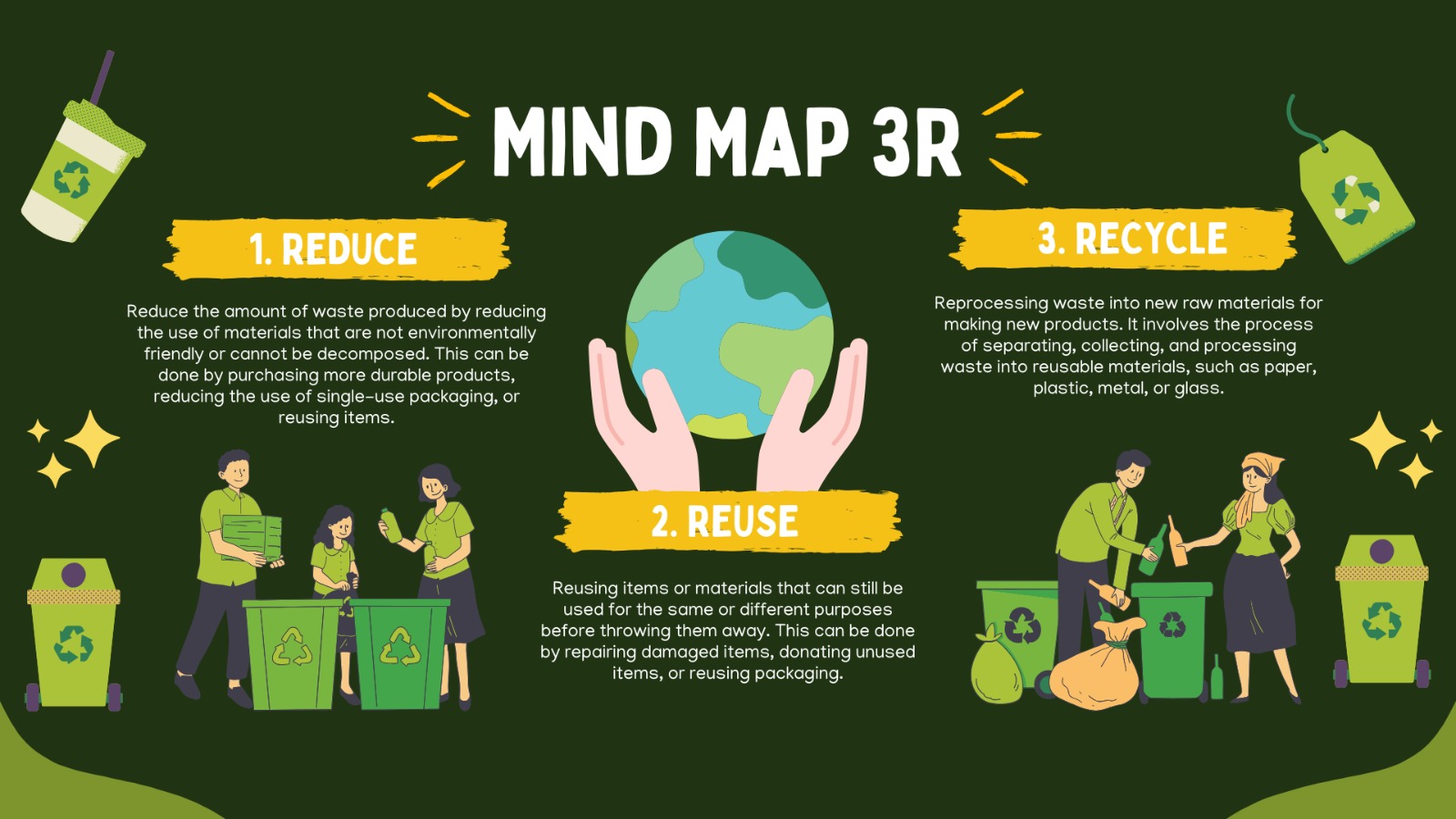
The Issue: Resource efficiency through the 3R framework of Reduce, Reuse, and Recycle is no longer an environmental add on for Indian businesses. It is a financial and operational necessity. Rising raw material costs, stricter waste management rules, landfill scarcity, and growing consumer awareness are pushing companies to rethink how they handle resources. The 3R approach is not simply about being "less wasteful." It is a systematic method to cut costs, improve productivity, build regulatory compliance, and strengthen brand reputation. India's industrial landscape presents two very different faces of waste. In the sprawling textile hubs of Tirupur, water is the burning issue. In the dense electronics clusters of Chennai and Noida, plastic and metal scrap dominate the waste stream. Both regions show why the 3R is increasingly framed as business intelligence plus environmental responsibility, not just a green badge. At daybreak in Tiruppur, the air smells of wet cotton and dye. The textile capital of India wakes up to the sound of looms and the steady hum of water pumps. Here, every litre counts. A medium sized garment factory processes thousands of garments daily, and the wastewater pools in treatment tanks like a mirror reflecting the industry's biggest challenge. Water is never free in Tirupur. It is bought, moved, treated, and often paid for twice. Once when it arrives. Again when it leaves as effluent. At daybreak in a Chennai electronics unit, the air smells different. Solder and solvent. Plastic and precision. Here, the factory floor is tidy, but the bins behind the assembly line tell a different story. Wires cut to length. Component strips peeled away. Packaging film crumpled and tossed. The waste is dry, technical, and surprisingly valuable. Copper. Polycarbonate. High grade paperboard. The problem is not that this waste exists. The problem is that it leaves the factory as a cost instead of staying as a resource. Two mornings. Two Indias. And one question that no business can afford to ignore anymore. What if everything we throw away was actually something we never should have bought in the first place? This is the quiet revolution of the 3R. Not a grand gesture. Not a sustainability report filled with vague promises. It is a daily discipline. A way of running operations that treats waste as a design flaw rather than an inevitability. The 3R is not a slogan. It is a sequence.In everyday conversation, the 3R gets reduced to one line. "Reduce, reuse, recycle." But the sequence is the secret. You cannot recycle your way out of a problem that should have been reduced at the start. The 3R is a hierarchy. Reduce comes first because preventing waste is always cheaper and cleaner than managing it. Reuse comes second because extending the life of a material or product saves the energy and water that would be needed to break it down and remake it. Recycle comes last because it is better than landfilling but still consumes resources. Think of it like a medical triage for your business. Reduce is prevention. Eat better, exercise, stay healthy. Reuse is managing a minor condition with lifestyle changes. Recycle is treatment. Necessary and valuable, but you would rather not need it so often. Indian businesses often jump straight to recycling because it feels visible and satisfying. But the real savings live in reduction and reuse. And that is where the most exciting stories are being written.Why the 3R is considered smart business, and why the numbers finally make sense For years, Indian companies treated waste management as a compliance cost. Something you paid a contractor to handle so you could focus on production. That old thinking is collapsing for three reasons. First, raw material prices are volatile and generally rising. Every kilogram of material that ends up as waste is money that left the business with nothing to show for it. When you reduce waste, you are not saving the planet. You are saving your purchase budget. Second, waste disposal is getting more expensive and more regulated. Landfills are filling up. State pollution control boards are getting stricter. The days of cheap, unscrutinised dumping are ending. A company that ignores the 3R today will face higher compliance costs tomorrow. Third, customers and investors are starting to ask. A large garment brand in Bengaluru recently lost a European buyer because their audit revealed poor waste segregation. A mid sized auto parts supplier won a new contract partly because their 3R practices impressed a sustainability focused client. The market is not silent on this anymore. But the numbers tell the clearest story. A well implemented 3R programme typically pays for itself within twelve to eighteen months. After that, it becomes a source of ongoing savings and sometimes even new revenue from selling recyclables. That is not charity. That is arithmetic. The hardest part of the 3R. Behaviour, not technology.If the 3R were only about buying better machines or installing compactors, every factory would already be efficient. The hardest part is human. Old habits. Convenience. The unconscious way a worker tosses a used glove into the general bin because the recycling bin is three steps further away. This is where many Indian businesses struggle. They invest in segregation bins. They put up posters. They run a training session. And then nothing changes. The solution is not more posters. It is better design. Make the right behaviour easy and the wrong behaviour annoying. Place the recycling bin closer than the general waste bin. Colour code everything. Name a champion on each shift whose job is not to police but to remind. Celebrate small wins publicly. A team that reduces its waste by ten percent gets a small recognition, not a bonus that distorts behaviour, but a genuine thank you. We once visited a packaging unit in Pune where the floor manager had a simple rule. Every Friday, he walked the line with a notebook and wrote down three things he saw being wasted that should not have been. He read them out at the Monday meeting. Not to shame anyone. To ask a question. How do we fix this together? Within six months, that unit reduced its plastic waste by forty percent without spending a rupee on new equipment. That is the power of behaviour led 3R. Technology helps, but people drive it. The contemporary crisis. Single use plastic and the Indian responseNo conversation about the 3R in India is complete without talking about plastic. Specifically, single use plastic. The stuff that wraps our products, lines our cups, and chokes our drains. India has banned certain single use plastic items, but enforcement varies. More importantly, the ban only covers specific categories. A vast amount of plastic packaging still flows through the economy. Much of it is technically recyclable. Very little of it is actually recycled because collection is fragmented and contamination is high. What does this mean for the 3R conscious business? It means plastic needs a smarter strategy. 💡 Reduce first. Can you switch to paper based or fabric based packaging for certain products? Can you eliminate an inner wrapper that serves no real purpose? Can you ask your suppliers to take back their packaging instead of leaving it for you to manage? 💡 Reuse second. Can you collect clean plastic packaging from your incoming shipments and send it back to suppliers for another trip? Can you use shredded plastic waste as a component in non structural building materials or as an additive in road construction? Some Indian companies are already doing this with impressive results. 💡 Recycle third. For the plastic that cannot be reduced or reused, find a registered recycler and keep your plastic clean and sorted. A bale of uncontaminated PET or HDPE has real value. A mixed, dirty pile of plastic is just landfill. The plastic problem will not be solved by government bans alone. It will be solved by thousands of businesses treating plastic as a resource to be managed, not a nuisance to be discarded. The economics of patience. Why quick fixes fail and steady progress winsThe 3R is not a one time project. It is a continuous improvement cycle. And that is hard for businesses that are used to installing a solution and moving on. A common mistake is to start with the biggest, most visible waste stream, implement a solution, and then declare victory. Six months later, waste creeps back up because no one is monitoring. Habits slip. New processes get ignored. The better approach is slower and steadier. Pick one waste stream. Paper, for example. Measure how much paper you use this month. Set a target to reduce it by fifteen percent over three months. Implement three simple changes. Print double sided by default. Collect single sided sheets for reuse as notepads. Switch to digital approvals where possible. Measure again. Celebrate the reduction. Then move to the next stream. This is the economics of patience. Small, consistent improvements that compound over time. A factory that reduces its waste by five percent every quarter will cut its waste in half within three years. That is not dramatic. It is just disciplined.Technology and the 3R. Data as the new waste managerWe cannot talk about the modern 3R without talking about data. The traditional approach to waste management was reactive. Stuff fills a bin, someone empties it, end of story. The new approach is predictive. Smart bins with sensors can tell you when they are full, optimising collection routes and reducing fuel waste. Data analytics can show you exactly which shift, which line, or which product is generating the most waste. Radio frequency identification can track reusable containers across a supply chain so they come back instead of getting lost. None of this requires an artificial intelligence revolution. It requires basic measurement. Weigh your waste. Categorise it. Track it weekly. What gets measured gets managed. That is the oldest rule in business, and it applies perfectly to the 3R. A small pharmaceutical plant in Vadodara started weighing their plastic waste three years ago. They found that thirty percent of it was clean, uncontaminated, and immediately sellable to a recycler. They had been paying a contractor to haul it away. Now they get paid for it. That change came from one simple habit. Weighing before throwing. What the next decade should build. A 3R ready IndiaIf Indian business is serious about resource efficiency, the next decade will be about systems, not slogans. The first system is better waste segregation infrastructure inside industrial parks. Shared compactors, baling machines, and material recovery facilities can make recycling viable for small and medium enterprises that cannot afford their own equipment. The second system is a liquid market for recyclables. Many recyclable materials have volatile prices because information is poor. A digital platform that connects waste generators with verified recyclers could stabilise prices and increase recovery rates. The third system is smarter procurement. Companies should negotiate take back clauses with suppliers. You sold me this component in this packaging. You take the packaging back. That simple clause creates a closed loop and shifts responsibility up the supply chain. The fourth system is workforce training that goes beyond a one hour session. Embed 3R thinking into job descriptions, performance reviews, and daily stand up meetings. Make it part of how work is done, not an extra thing to remember. The fifth system is honest accounting. Most companies still treat waste disposal as a single line item. Split it out. Show the cost of each waste stream. Show the revenue from recyclables. Show the avoided cost from reduction. When the numbers are visible, the motivation is real. Closing thought:In Tiruppur, the factory manager now checks the recycling bin before the general waste bin. It is a small habit. But it changes everything. Because every time he sees something valuable in the general bin, he asks a question. Why did this happen? And that question leads to another question. How do we stop it? In Chennai, the electronics unit now has a scrap sale every quarter. The money is small relative to their turnover, but the signal is large. Waste is not a cost anymore. It is an oversight that got corrected. The bin was never the end of the story. It was just the place where businesses stopped paying attention. The 3R is simply paying attention again. To what comes in. To what goes out. And to the quiet truth that in a country of a billion people and finite resources, efficiency is not a choice. It is the only way forward. ...Read more

12 May 2026

Why the 3R Matters More Than Ever -Let us pause for a moment and think about the sheer volume of what we throw away every single day. In our homes, in our offices, and on our factory floors, waste has become such a familiar sight that we barely notice it anymore. A broken plastic chair here. A pile of discarded packaging there. Used water bottles. Old office stationery. The list is endless. But here is the truth, we at Sustainverse have come to understand after years of working with businesses across India. Waste is not really waste until we decide to call it that. Before that moment, it is just a resource waiting to be seen differently. And that shift in seeing is exactly what the 3R principle of resource efficiency is all about. The 3R stands for Reduce, Reuse, and Recycle. It sounds simple because it is simple. But do not let that simplicity fool you. When applied thoughtfully, these three small words have the power to transform how an organisation functions. They can cut costs, reduce environmental harm, improve operational efficiency, and build a brand that people genuinely trust. For Indian businesses in particular, the 3R approach is not just an environmental choice. It is an economic necessity. We live in a country where resources are precious. Water, energy, raw materials, and even landfill space are becoming harder to come by. The companies that learn to do more with less are the ones that will survive and thrive in the coming decade. So let us walk through each of the three Rs slowly, as a conversation between people who care about running responsible, efficient, and future ready organisations. The First R. Reduce. Doing More With Less, On PurposeLet us start at the very beginning of the waste chain. Before a material enters your office or factory, you already have a chance to decide whether it needs to be there at all. That is the heart of reduction. Reducing means using fewer resources in the first place. It means designing processes that generate less waste. It means asking uncomfortable questions like, do we really need this much packaging? Or, could we achieve the same result with half the paper, half the water, or half the energy? In an Indian context, reduction is often the most overlooked R. We are a culture that loves abundance. More is better. Extra is safe. But abundance comes at a cost. Every extra kilogram of raw material, every unnecessary printout, every light left on in an empty room adds up to a significant financial and environmental burden. Take the example of a small manufacturing unit in Pune that we worked with a couple of years ago. They were using a particular solvent to clean their machinery at the end of each shift. The process was standard. No one questioned it. But when we sat down with the plant manager and actually measured the usage, we discovered that they were using nearly forty percent more solvent than they technically needed. The excess was simply evaporating or being washed away. By adjusting the cleaning nozzles and training the staff pecisely, they reduced their solvent purchase by thirty five percent in just three months. Less waste. Less cost. Less environmental harm. That is reduction in action. Here are some practical ways Indian businesses can start reducing right away:➤ First, conduct a simple waste audit. For one week, collect and categorise everything that leaves your facility as waste. You will be surprised at what you find. Often, a large portion of that waste never needed to exist in the first place. ➤ Second, look at your procurement policies. Are you buying in bulk when smaller, more frequent orders would reduce spoilage and storage waste? Are your suppliers using excessive packaging that you then have to dispose of? ➤ Third, go digital wherever possible. Indian offices still use far too much paper. Meeting agendas, reports, invoices, and internal communications can almost always move to a digital format. The reduction in paper waste is immediate and measurable. ➤ Fourth, rethink your product design. If you manufacture something, can you make it with fewer materials without compromising quality? Can you design it to be lighter, smaller, or more efficient? Some of India's most innovative startups are already doing this with remarkable results. Reduction is not about deprivation. It is about precision. It is about using exactly what you need and not one bit more. When you embrace that mindset, waste stops being a problem and starts being a signal that something in your process can be improved. The Second R. Reuse. Giving Materials a Second Life Before RecyclingNow let us talk about the second R, which is reuse. If reduction is about preventing waste from being created in the first place, reuse is about extending the life of materials that have already been used. Though not very famous, it is absolutely essential. Reuse means taking an item that would otherwise be discarded and finding a new purpose for it. This can happen in the same process, in a different part of your organisation, or even in a different industry altogether. The key is that you are not breaking the material down. You are simply using it again, either for the same purpose or for a different one. India has a long and beautiful history of reuse. Many of us grew up watching our grandparents reuse newspaper as packaging, glass bottles as water containers, and old clothes as cleaning rags. That instinct for frugality and creativity is still alive. We just need to bring it into our professional lives with the same love and attention. Consider the example of a large corporate office in Bangalore. They used to throw away hundreds of single sided printouts every single day. Someone in the admin team had the simple idea of placing a tray next to the printer labelled "reusable paper." Any paper that had only been printed on one side went into the tray. It was then used for internal drafts, notepads, and informal communications. In one year, that single practice saved over fifty thousand sheets of paper. No complex technology. No big investment. Just a conscious choice to reuse. In the industrial context, reuse can take many forms. Cardboard boxes and wooden pallets from incoming shipments can be sent back to suppliers or used for outgoing products. Metal shavings from machining processes can be collected and sold to foundries for remelting. Used oil from machinery can be filtered and reused in less demanding applications. Even wastewater, after basic treatment, can be reused for cooling, washing, or landscaping. Here is a beautiful example from the textile industry in Tiruppur. A garment factory there realised that the water used for washing fabrics was still relatively clean. Instead of sending it down the drain, they installed a simple filtration system and redirected that water to their landscaping and toilet flushing needs. They reduced their freshwater consumption by nearly twenty five percent. That is reuse with real impact. For Indian small and medium enterprises, reuse is often the most immediately profitable of the three Rs. It requires minimal capital investment. It builds on existing habits of frugality. And it delivers results that can be seen on next month's utility bill. Here are some practical reuse ideas.💡 Set up a central exchange area where different departments can offer items they no longer need. One department's obsolete stationery could be another department's perfectly usable supplies. 💡 Invest in durable, reusable containers for internal transport of materials. Single use cardboard and plastic should be the exception, not the rule. 💡 Partner with other local businesses to create a reuse network. One company's waste product could be another company's raw material. For instance, a bakery's spent grain can be used by a farm as animal feed. 💡 Train your employees to see reuse opportunities. Often, the person working on the shop floor has the best ideas about how a material could be used a second time. Listen to them. Reward them. Reuse is not just good for the planet. It is good for the bottom line. Every time you use a material twice instead of once, you have effectively cut its cost in half. That is simple arithmetic that any business owner can appreciate. The Third R. Recycle. Closing the Loop ResponsiblyFinally, we come to the third R. Recycle. This is the one that most people think of first when they hear the word sustainability. But in the 3R hierarchy, recycling is actually the last resort. You reduce first. Then you reuse. And only after those two options have been exhausted do you consider recycling. Why does order matter? Because recycling takes energy. It takes water. It takes transport. It takes industrial processes that have their own environmental footprint. So while recycling is far better than landfilling or incineration, it is not as good as reduction or reuse. That said, recycling is absolutely essential for the materials that cannot be reduced or reused. And in India, the recycling sector is both vibrant and under recognised. From the kabadiwalas who collect scrap from our homes to the large recycling plants that process plastic, metal, paper, and glass, there is an entire economy built around giving waste a second life as a raw material. The key to good recycling is contamination. Clean, separated, well sorted materials are easy to recycle. Mixed, dirty, contaminated materials are not. A single greasy pizza box can ruin an entire batch of paper recycling. A plastic bottle with liquid still inside can contaminate a whole bale of PET. So the most important thing any organisation can do to enable recycling is to separate waste at the source. Have different bins for different materials. Train your staff on what goes where. Work with a reliable recycling partner who can verify that the materials are actually being recycled and not just dumped somewhere else. We once visited a large hotel in Jaipur that had achieved a recycling rate of over eighty percent. Their secret was nothing more than disciplined separation. Kitchen waste went to composting. Glass bottles went to a local recycler. Paper and cardboard went to another. Metals and electronics went to specialised vendors. Every single waste stream had a destination. Nothing was mixed. Nothing was contaminated. It took effort to set up, but within six months it became second nature for the staff. For businesses, there are some practical steps to improve recycling. 💡 First, map your waste streams. What materials are you throwing away in significant quantities? Paper, plastic, metal, glass, electronics, textiles, and organic waste all have different recycling pathways. 💡Second, find local recyclers. India has a strong decentralised recycling network. Chances are there is a recycler within a few kilometres of your facility. Build a relationship with them. Understand what they can and cannot accept. 💡 Third, set up clear, colour coded bins for different types of waste. Red for hazardous. Blue for recyclables. Green for organic. And make sure the bins are placed conveniently. If the recycling bin is far away, people will use the general waste bin instead. 💡 Fourth, measure and report your recycling rate. What gets measured gets managed. Track how many kilograms of each material you recycle every month. Share that information with your team. Celebrate improvements. And finally, be honest about what cannot be recycled. Some materials, like multi layer plastic packaging or certain types of composite materials, have no practical recycling solution yet. For those, reduction and reuse become even more important. Bringing the 3R Together. A Holistic Approach for Indian BusinessesNow that we have looked at each R individually, let us talk about how they work together. The 3R is not a menu where you pick one option. It is a system where all three support each other. Reduction makes reuse and recycling easier because there is less material to manage. Reuse extends the life of materials before they ever reach the recycling stage. Recycling captures value from materials that can no longer be reused. Together, they create a closed loop where waste is minimised and resources are respected. Let me share the story of a medium sized electronics assembly unit in Noida to show how this works in practice. First, they reduced. They redesigned their packaging to use forty percent less plastic. They switched to digital work instructions instead of paper. They optimised their component cutting to reduce scrap. Second, they reused. The cardboard boxes from incoming components were sent to the packaging section for outgoing products. The protective foam inserts were collected and sold to a local packaging company. The wooden pallets were repaired and reused multiple times. Third, they recycled. The small amount of plastic waste that remained was sent to a registered recycler. The metal scrap from component leads was sold to a smelter. Even the electronic waste from defective components was handled by an authorised e waste recycler. As a result, this unit reduced its waste disposal costs by sixty five percent in eighteen months. They generated a new revenue stream from selling scrap materials. Their employees took pride in working for a responsible organisation. And their customers, especially the larger international buyers, valued their sustainability credentials. That is the power of the 3R approach when it is implemented thoughtfully and completely.Overcoming Common Challenges in the Indian ContextOf course, nothing is ever perfectly smooth. Indian businesses face real challenges when trying to implement the 3R. Let us acknowledge them honestly and talk about practical solutions. 1.The first challenge is awareness. Many business owners and managers simply do not know what is possible with the 3R. They have never seen it done. They assume it is expensive or complicated. The solution is education and exposure. Visit facilities that are already doing this well. Attend workshops. Read case studies from similar businesses. At Sustainverse, we have seen time and again that seeing is believing. 2. The second challenge is infrastructure. In some parts of India, reliable recycling services are not easily available. There may be no local recycler for certain materials. The solution is to start with what is possible. Focus on reduction and reuse first. For recycling, build partnerships with aggregators who can transport materials to recyclers in other cities. Over time, as demand grows, local infrastructure will develop. 3. The third challenge is cost. Recycling can sometimes cost more than landfilling, especially if you are in a city with cheap landfill fees. But this calculation often misses the bigger picture. Landfill costs are not just financial. They are environmental and social. And increasingly, regulations are making landfilling more expensive. The solution is to take a long term view. The businesses that invest in 3R today will be far ahead when stricter regulations inevitably arrive. 4. The fourth challenge is employee behaviour. Changing how people sort waste or use materials requires effort. Old habits are hard to break. The solution is to make the right behaviour easy and the wrong behaviour annoying. Clear signage. Convenient bins. Regular training. And most importantly, leadership by example. When employees see their manager carefully separating waste, they will follow. 5. The fifth challenge is measurement. Many businesses do not track their waste at all. They pay a contractor to take it away and never think about it again. The solution is to start small. Weigh your waste for one week. Categorise it. That baseline data is invaluable for identifying the biggest opportunities. A Call to Action for Business LeadersSo where do you start? Right where you are. With what you have. The 3R journey does not require a massive budget or a dedicated sustainability department. It requires attention, curiosity, and a willingness to do things a little differently. Start with a walk through your facility. Look at your waste bins. What is in them? Notice the patterns. Are there materials that should not be there? Are there opportunities to reduce, reuse, or recycle that are being missed? Pick one material stream that seems promising. Maybe it is paper. Maybe it is plastic packaging. Maybe it is metal scrap. Focus on that one stream. Set a simple goal. Reduce it by twenty percent. Or find a reuse application. Or establish a recycling channel. Measure your progress. Share it with your team. Celebrate the small wins. Then pick another stream. Over time, these small improvements compound into something truly remarkable. At Sustainverse, we have seen Indian businesses of every size and sector make real progress on the 3R. A tiny bakery in Kerala that switched from plastic to banana leaf packaging. A mid sized logistics company in Gujarat that reduced its wooden pallet waste by training drivers to handle them more carefully. A large pharmaceutical plant in Hyderabad that recycled ninety percent of its solvent waste. These stories are not exceptions. They are proof that the 3R works everywhere, for everyone.  A Final Thought. The 3R as a MindsetThe 3R is not really about waste. It is about respect. Respect for the materials that came from the earth. Respect for the labour and energy that went into producing them. Respect for the communities that live downstream of your facility. And respect for the future generations who will inherit the planet we leave behind. When you reduce, you are saying that you value resources enough not to waste them. When you reuse, you are saying that an item has more than one story to tell. When you recycle, you are saying that nothing truly disappears and that everything can begin again. That is the deeper meaning of the 3R. And that is why we at Sustainverse believe so strongly in this simple, profound framework. So go ahead. Look at your waste bins with fresh eyes. Ask the questions. Try the small experiments. Talk to your team. Build the partnerships. And watch as your organisation becomes not just more efficient, but more human. Because at the end of the day, resource efficiency is not a technical problem. It is a human choice. And that choice is yours to make, starting right now. Let us build a more sustainable India together, one reduction, one reuse, one recycle at a time. ...Read more

12 May 2026

The global manufacturing sector is currently undergoing a "Material Metamorphosis," shifting away from a century of reliance on petroleum-based polymers and energy-intensive metals toward a new frontier of bio-fabricated and recycled inputs. The central challenge of Green Materials lies in the "Performance-Sustainability Gap"—the historical difficulty of finding eco-friendly alternatives that match the durability, heat resistance, and scalability of traditional materials. However, in 2026, breakthroughs in Synthetic Biology and Molecular Engineering are closing this gap. Companies are no longer just looking for "less bad" materials; they are designing materials that are "nature-positive," meaning their production and end-of-life cycles actually contribute to ecological restoration. For instance, the rise of Mycelium-based composites—grown from the root structure of fungi—has moved from experimental packaging into high-performance construction and automotive interiors, providing a biodegradable alternative that sequesters carbon during its growth phase. One of the most significant innovations in this space is the development of Advanced Chemical Recycling (also known as Molecular Recycling). Unlike traditional mechanical recycling, which often degrades the quality of plastic (downcycling), chemical recycling breaks polymers down into their basic monomers. This allows materials to be rebuilt with virgin-quality integrity an infinite number of times, effectively decoupling material production from fossil fuel extraction. Furthermore, the textile industry—historically one of the world’s largest polluters—is pivoting toward Closed-Loop Cellulosic Fibers. By utilizing agricultural waste like orange peels, pineapple leaves, or hemp, and processing them with non-toxic, reusable solvents, brands are creating a "Bio-Textile" economy. These materials are designed with their "end-of-life" in mind, ensuring that once a garment is worn out, it can be chemically disassembled and reincarnated as a new fiber without any loss in quality. The transition to green materials also requires a fundamental rethinking of Material Efficiency through generative design. By using Artificial Intelligence to optimize the internal geometry of components, engineers can create parts that use 40% less material while maintaining the same structural strength. This "Dematerialization" is particularly crucial in the aerospace and electric vehicle industries, where every gram of weight saved translates directly into lower energy consumption. When combined with Additive Manufacturing (3D printing), which produces virtually zero waste compared to traditional subtractive machining, the environmental footprint of production is slashed. As we look toward a carbon-neutral future, the focus is shifting toward "Carbon-Negative" concrete and "Green Steel" produced via hydrogen electrolysis, proving that even the most carbon-intensive industries can be reinvented through material science. ...Read more

12 May 2026

The ultimate testing ground for sustainable project management is the megaproject—large-scale infrastructure developments that have historically had massive carbon footprints and social displacement issues. Today, the focus has shifted from merely "minimizing damage" to creating Regenerative Infrastructure, where projects are designed to give back more to the environment and society than they take. A prime example of this shift is the development of energy-neutral tunnels and roadways that generate their own power through integrated renewable energy systems. These projects utilize innovative materials like "photovoltaic asphalt" and kinetic floor tiles that harvest energy from passing vehicles. By turning a passive piece of infrastructure into an active energy producer, project managers are transforming the very definition of a "public utility," moving toward a future where our built environment assists in the global transition to renewable energy rather than hindering it. Executing these projects requires a radical shift in Supply Chain Stewardship and construction techniques. Project managers are increasingly utilizing "Modular and Prefabricated Construction," where components are built in controlled factory environments to minimize on-site waste, noise pollution, and local traffic disruption. Furthermore, the use of Low-Carbon and Bio-based Materials, such as "green concrete" infused with recycled plastic or carbon-sequestering mass timber, has become the standard for high-performance infrastructure. These megaprojects also prioritize "Social License to Operate" by involving local communities in the design phase through augmented reality (AR) and virtual reality (VR) visualizations, ensuring that the infrastructure serves the people as much as it does the economy. By successfully delivering these complex, multi-billion-dollar sustainable projects, the industry is proving that the scale of a project is no longer an excuse for environmental degradation, but rather an opportunity for large-scale ecological and social restoration. This "Restorative" approach ensures that projects create a legacy of health and prosperity for future generations. ...Read more

12 May 2026

 The second great challenge of corporate sustainability lies in the physical reality of production. For a century, industrial success was measured by throughput—the speed at which raw materials could be converted into products and sold. The barrier here is the Linear Infrastructure Lock-in. Billions of dollars are invested in factories, power plants, and logistics networks designed for a one-way flow of resources. Transitioning to a sustainable model requires more than just "doing less harm"; it requires a move toward Regenerative Business Models that actively contribute to the restoration of the ecosystems they draw from. One of the most significant barriers to this pivot is the Resource Scarcity-Complexity Trap. As companies try to move away from fossil fuels, they encounter a massive surge in demand for "transition minerals" like lithium, cobalt, and rare earth elements. This creates a new set of ethical and environmental dilemmas. The innovation solving this is the Circular Design Paradigm. Instead of simply looking for "better" materials to extract, innovative firms are designing products for "Disassembly." By using modular components and avoiding toxic glues or complex alloys, companies like those in the electronics and appliance sectors are ensuring that today’s products become the "urban mines" of tomorrow. This "Closed-Loop" manufacturing eliminates the need for virgin extraction and insulates companies from the volatility of global commodity markets. Another major hurdle is Energy Intermittency and Industrial Heat. While many corporations have successfully transitioned their offices to renewable electricity, the "Hard-to-Abate" sectors—such as steel, cement, and chemical production—require intense heat that solar and wind struggle to provide. Here, innovation is taking the form of Industrial Symbiosis. In "Eco-Industrial Parks," the waste heat or byproduct of one company becomes the fuel or raw material for its neighbor. For example, a data center’s excess heat can be piped into a nearby greenhouse, or a steel mill’s carbon emissions can be captured and converted into aviation fuel. This mimics natural ecosystems where "waste" does not exist, and every output is a useful input for another organism. The barrier of Consumer Inertia also plagues corporate progress. Even when a company develops a truly sustainable product, consumers are often reluctant to change their habits or pay a premium. To counter this, businesses are innovating through Behavioral Economics and Choice Architecture. Instead of making the "green" option a specialized luxury item, companies are making it the "default" setting. Whether it’s a logistics company defaulting to carbon-neutral shipping or a food giant reformulating its core products to be plant-forward, these subtle shifts utilize human psychology to drive mass-scale sustainability without requiring constant, conscious effort from the end-user.Finally, the evolution of Corporate Governance is providing the ultimate solution to the barrier of accountability. We are seeing the rise of "Benefit Corporations" (B-Corps) and legal frameworks that mandate directors to consider the interests of all stakeholders—employees, communities, and the environment—rather than just shareholders. This legal "hard-coding" of sustainability ensures that the mission survives leadership changes and economic downturns. As AI and machine learning begin to optimize supply chains for "minimum carbon" rather than just "minimum cost," the corporation is being redefined. It is moving from being a mere profit-extraction machine to becoming a sophisticated engine of social and ecological value, capable of thriving within the boundaries of a finite planet. ...Read more

12 May 2026

For the modern corporation, the transition toward sustainability is no longer a matter of philanthropic choice but a prerequisite for long-term viability. However, the path from "business as usual" to a truly regenerative model is fraught with structural, financial, and psychological barriers. To understand why some of the world’s largest entities struggle to adapt, one must look beyond simple corporate intent and examine the systemic friction inherent in global capital markets. The primary hurdle remains the Paradox of Quarterly Capitalism. Most publicly traded companies are beholden to short-term earnings reports, creating a misalignment between the immediate demands of shareholders and the long-term investments required for sustainable transformation. Financial barriers often manifest as the "Green Premium"—the additional cost of choosing a clean technology or sustainable raw material over a cheaper, carbon-intensive incumbent. For a manufacturing giant, switching to green hydrogen or recycled polymers can temporarily thin profit margins, leading to "fiduciary anxiety" among executives. This is compounded by Internal Siloing, where sustainability departments are treated as peripheral marketing wings rather than core strategic drivers. When the Chief Sustainability Officer (CSO) lacks the authority to influence the Chief Financial Officer (CFO) or the supply chain leads, sustainability initiatives remain surface-level, leading to the dreaded phenomenon of "Greenwashing," where a company spends more on advertising its environmental credentials than on actually improving them. Despite these barriers, a wave of Financial Innovation is beginning to bridge the gap. We are witnessing the rise of Sustainability-Linked Loans (SLLs) and Green Bonds, which tie interest rates to a company’s performance against specific Environmental, Social, and Governance (ESG) targets. If a company hits its carbon reduction goals, its cost of debt decreases. This creates a direct financial incentive for progress. Furthermore, "Internal Carbon Pricing" is becoming a standard tool for forward-thinking firms. By assigning a theoretical cost to every ton of carbon emitted by a specific department, companies can simulate a future regulatory environment and shift capital toward low-carbon projects today. Beyond finance, the barrier of Supply Chain Opacity is being dismantled by Digital Twins and Blockchain technology. Most corporations only have a clear view of their "Tier 1" suppliers, leaving them blind to the environmental degradations occurring deeper in the network. Innovation in traceability now allows companies to map their entire footprint—from the mine to the retail shelf. By using decentralized ledgers, every transaction and material movement is recorded, ensuring that "conflict-free" or "zero-deforestation" claims are backed by immutable data. This transparency doesn't just mitigate risk; it builds radical trust with an increasingly skeptical consumer base. Finally, the most profound innovation is the shift from Competitive to Collaborative Sustainability. Historically, companies kept their environmental efficiencies secret to maintain a competitive edge. Today, "Pre-competitive Collaboration" is the new norm. Competitors in the fashion, automotive, and tech industries are joining forces to build shared recycling infrastructures and standardized sustainability metrics. They have realized that the scale of the climate crisis is too large for any single entity to solve alone. By open-sourcing their sustainability patents and co-investing in new materials, corporations are effectively lowering the "Green Premium" for everyone, proving that in the race to save the planet, the only way to win is to finish together ...Read more

12 May 2026

Innovations Driving Sustainable Consumption - As the global population approaches 10 billion, the traditional methods of consumption are proving to be mathematically impossible to sustain. However, the intersection of digital technology and biological innovation is providing new pathways to satisfy human needs while minimizing the "ecological bootprint." Sustainable consumption in the modern era is increasingly defined by Dematerialization—the ability to provide the same or better utility using significantly fewer physical resources. This article explores how technological advancements and bio-based solutions are reshaping the landscape of responsible consumption and waste management. Digitalization is a primary driver of dematerialization. The shift from physical media (CDs, books, DVDs) to streaming and digital formats is a classic example of how technology reduces the need for plastic, paper, and physical logistics. However, the "Digital Revolution" goes much deeper. The Sharing Economy, powered by sophisticated algorithms, allows for the optimal utilization of existing assets. Ride-sharing, co-working spaces, and peer-to-peer tool libraries ensure that expensive, resource-intensive items do not sit idle. When we share resources, the total number of items that need to be manufactured drops significantly, leading to a massive reduction in the energy and water required for production. In the realm of food and agriculture—one of the most resource-intensive sectors—sustainable consumption is being revolutionized by Precision Agriculture and alternative proteins. Traditional livestock farming is a major contributor to greenhouse gas emissions and land degradation. Responsible consumption today involves a shift toward plant-based diets or lab-grown "cultivated" meats, which require a fraction of the land and water. Moreover, "smart" kitchens and AI-driven supply chains are tackling the global crisis of food waste. By using sensors and data to track freshness and optimize portions, we can address the fact that nearly one-third of all food produced is currently wasted, representing a colossal waste of the energy and water used to grow it. The materials science sector is also undergoing a "Green Chemistry" transformation. We are seeing the rise of Biomaterials, which are designed to mimic nature’s own cycles. Instead of petroleum-based plastics that persist in the environment for centuries, new packaging solutions are being derived from mushrooms (mycelium), seaweed, and agricultural byproducts. These materials are not only renewable but are often home-compostable, meaning they return nutrients to the soil rather than clogging oceans and landfills. For the consumer, choosing bio-based and biodegradable products is a direct way to support a "Bio-Economy" that operates in harmony with the Earth’s natural regenerative capacity. Finally, the role of data in empowering sustainable choices cannot be overstated. "Digital Product Passports" are emerging as a tool to provide consumers with real-time information about a product's carbon footprint, reparability score, and material composition via a simple QR code scan. This level of radical transparency removes the guesswork from responsible consumption, allowing individuals to make data-driven decisions that align with their values. When combined with smart grids and energy-efficient appliances, the "Internet of Things" (IoT) allows households to automate energy conservation, ensuring that consumption only happens when it is most efficient and least impactful. By leveraging these innovations, society can move toward a future where "sustainability" is not an inconvenient sacrifice, but a seamless, high-tech standard of living. ...Read more

11 May 2026

 Bio-based polymers, regenerative textiles, and the chemistry of green materials.The foundation of a sustainable supply chain is the material itself. For over a century, the global economy has been built on "vignette" materials—plastics, alloys, and chemicals designed for performance and cost, with zero regard for their "end-of-life" reality. The first pillar of greening the supply chain is a fundamental shift toward Material Science Innovation.1. The Rise of Bio-Polymers and MyceliumWe are moving away from petroleum-based plastics toward PHAs (Polyhydroxyalkanoates) and PLA (Polylactic Acid). However, the true innovation lies in Mycelium-based packaging. Companies are now "growing" packaging using fungal root structures. This material is not just biodegradable; it is home-compostable and requires a fraction of the energy used to produce Expanded Polystyrene (EPS).2. Regenerative Textiles: Beyond Organic CottonWhile organic cotton was a step forward, the future lies in Regenerative Agriculture. This involves sourcing materials from farms that prioritize soil health, carbon sequestration, and biodiversity. We are seeing the emergence of "Carbon-Negative" fibers—materials like hemp and seaweed-based lyocell—which actually pull more carbon from the atmosphere during their growth cycle than is emitted during their processing.3. High-Performance Green AlloysIn the industrial sector, the focus is on "Green Steel" and low-carbon aluminum. Traditional steel production is one of the largest emitters of $CO_2$. Innovation here involves switching from coal-fired blast furnaces to Green Hydrogen-based Direct Reduced Iron (DRI). This allows manufacturers to source metals that carry a near-zero carbon debt, fundamentally altering the "Scope 3" profile of automotive and construction companies. ...Read more

11 May 2026

Bio-based polymers, regenerative textiles, and the chemistry of green materials. The foundation of a sustainable supply chain is the material itself. For over a century, the global economy has been built on "vignette" materials—plastics, alloys, and chemicals designed for performance and cost, with zero regard for their "end-of-life" reality. The first pillar of greening the supply chain is a fundamental shift toward Material Science Innovation.1. The Rise of Bio-Polymers and Mycelium.We are moving away from petroleum-based plastics toward PHAs (Polyhydroxyalkanoates) and PLA (Polylactic Acid). However, the true innovation lies in Mycelium-based packaging. Companies are now "growing" packaging using fungal root structures. This material is not just biodegradable; it is home-compostable and requires a fraction of the energy used to produce Expanded Polystyrene (EPS).2. Regenerative Textiles: Beyond Organic Cotton While organic cotton was a step forward, the future lies in Regenerative Agriculture. This involves sourcing materials from farms that prioritize soil health, carbon sequestration, and biodiversity. We are seeing the emergence of "Carbon-Negative" fibers—materials like hemp and seaweed-based lyocell—which actually pull more carbon from the atmosphere during their growth cycle than is emitted during their processing.3. High-Performance Green AlloysIn the industrial sector, the focus is on "Green Steel" and low-carbon aluminum. Traditional steel production is one of the largest emitters of $CO_2$. Innovation here involves switching from coal-fired blast furnaces to Green Hydrogen-based Direct Reduced Iron (DRI). This allows manufacturers to source metals that carry a near-zero carbon debt, fundamentally altering the "Scope 3" profile of automotive and construction companies. ...Read more

11 May 2026

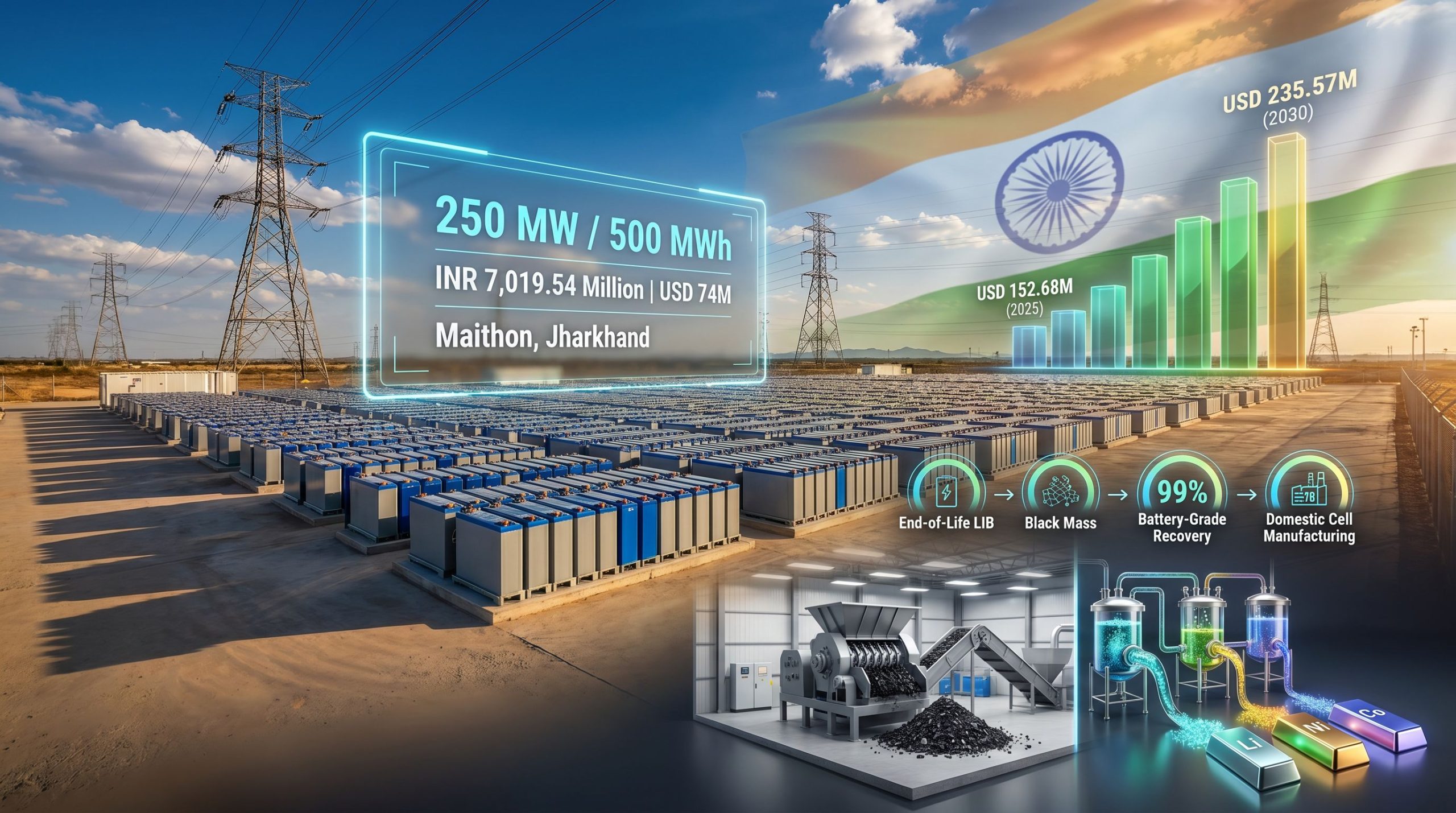
The Battery Waste Management Rules (BWMR) 2022, and their subsequent 2025 amendments, represent a transformative shift in India’s environmental and industrial policy, evolving from a mere waste-disposal framework into a strategic pillar for securing the nation’s critical minerals supply chain. Under the mandate of the Ministry of Environment, Forest and Climate Change (MoEFCC), these rules have institutionalized the principle of Extended Producer Responsibility (EPR), compelling manufacturers, importers, and brand owners—collectively termed "producers"—to take full accountability for the entire lifecycle of batteries, including portable, automotive, industrial, and electric vehicle (EV) types. Central to this framework is the aggressive escalation of material recovery targets; for instance, recyclers are now required to meet a 70% material recovery rate in FY 2024-25, rising to 80% by FY 2025-26, which effectively creates a "secondary mine" within the domestic economy. This is particularly vital as India navigates a high import dependency for primary sources of lithium, cobalt, and nickel—the "big three" minerals essential for the lithium-ion batteries that power the clean energy transition. By mandating that a specific percentage of recycled materials be reintegrated into new batteries from FY 2027-28 onwards, the government is forcing a circular loop that reduces reliance on volatile global markets and geopolitical risks. The 2025 amendments further sharpened these tools by introducing mandatory digital traceability through unique barcodes or QR codes on every battery pack, linking them to a centralized Central Pollution Control Board (CPCB) portal to eliminate the "leakage" of waste into the informal sector, which historically handled the majority of India's battery waste. This formalization is supported by the National Critical Minerals Mission (NCMM), approved in early 2025, which specifically identifies "recovery from end-of-life products" as a strategic priority alongside domestic mining and overseas asset acquisition. As India aims for significant expansion in annual battery production by 2030, the demand for cathode active materials is projected to grow exponentially; in this context, the BWMR serves as a safeguard, ensuring that valuable minerals like manganese and graphite are not lost to landfills but are instead harvested to fuel domestic value addition. Furthermore, the rules provide a legal pathway for "second-life" applications, allowing EV batteries to be refurbished for stationary energy storage before final recycling, thereby maximizing the utility of every gram of imported lithium. Through the interplay of strict EPR credit trading, heavy environmental compensation penalties for non-compliance, and the development of indigenous hydrometallurgical recycling technologies, India is building a resilient, self-reliant ecosystem. This integrated approach not only addresses the environmental hazard of toxic heavy metals like lead and cadmium but also positions battery recycling as a multi-billion dollar industry, ultimately ensuring that India's journey toward its 2070 Net Zero goal is powered by a secure, circular, and strategically independent critical minerals supply chain. ...Read more

11 May 2026

World Soil Day serves as a vital global audit of our most fundamental natural capital, emphasizing that the thin layer of topsoil beneath our feet is the silent engine of human survival. As we observe this day, the focus has shifted from mere conservation to the active restoration of soil carbon through regenerative farming, a transition that is now recognized as a prerequisite for global food security. Soil is not merely an inert medium for plant growth; it is a complex, living ecosystem that holds more carbon than the atmosphere and all terrestrial vegetation combined. However, decades of conventional industrial agriculture—characterized by intensive tillage, monocropping, and the heavy application of synthetic fertilizers—have depleted this vital carbon pool, leaving soils "starved" and structurally weak. This degradation creates a dangerous feedback loop: as soil organic matter vanishes, the soil loses its ability to retain water and nutrients, leading to declining crop yields, increased vulnerability to droughts, and the release of sequestered carbon back into the atmosphere as carbon dioxide. Regenerative farming offers a scientifically grounded pathway to break this cycle by prioritizing the "biology of the soil" over the "chemistry of the crop." By adopting core principles such as minimizing soil disturbance (no-till or low-till), maintaining continuous living roots, and integrating diverse crop rotations with cover cropping, farmers can actively pull carbon from the air and store it in the ground. This process of soil carbon sequestration does more than just mitigate climate change; it fundamentally re-engineers the soil’s physical properties. Carbon-rich soils act like sponges, significantly increasing water infiltration and holding capacity, which allows crops to thrive even during prolonged dry spells or survive heavy rainfall without the topsoil washing away. Furthermore, healthy soil carbon levels support a vast microbiome of fungi and bacteria that naturalize nutrient cycling, reducing the farmer's dependency on expensive and environmentally damaging chemical inputs. The linkage between soil health and food security is, therefore, absolute. With over 95% of our food originating from the soil, the "Silent Collapse" of soil fertility represents a direct threat to the stability of the global food system. As populations rise and climate-induced weather extremes become the norm, we cannot ensure food availability without resilient, high-functioning soils. Regenerative practices provide the "Climate Insurance" necessary to stabilize yields in an unpredictable environment. On World Soil Day, the message is clear: protecting soil carbon is not just an environmental choice but an economic and humanitarian imperative. By transitioning toward regenerative systems, we can restore the Earth’s digestive system, ensuring that our agricultural lands remain productive, our climate remains stable, and our global food supply remains secure for generations to come.   ...Read more

11 May 2026

The International Day of Forests serves as a critical global audit of ecological integrity, exposing a profound accountability gap between the high-profile optics of mass tree plantation and the often-neglected reality of long-term tree survival. For decades, environmental progress has been measured through the "numbers game" of saplings planted—a metric that provides immediate political and corporate capital but fails to account for the complex biological requirements of forest establishment. This obsession with the initial act of planting often overlooks the fact that a sapling is not a forest; it is merely a biological potential that requires years of irrigation, protection from grazing, and soil nutrient management to become a self-sustaining carbon sink. When mass-planting drives are executed without a survival mandate, the results are often catastrophic, with survival rates in some unmonitored regions plummeting below twenty percent due to poor species selection, lack of local community involvement, and the absence of post-planting care. To bridge this gap, the focus must shift from "quantity-based reforestation" to "quality-based forest stewardship," where success is audited not by the number of pits dug on a single ceremonial day, but by the canopy density and biodiversity index recorded five to ten years later. This transition requires the implementation of radical transparency through geo-tagging and satellite-based monitoring, ensuring that every "green" investment is backed by verifiable data rather than ephemeral headlines. Furthermore, authentic forest restoration must prioritize indigenous species and ecological "fit" over fast-growing monocultures, which may look impressive in the short term but offer little in the way of climate resilience or habitat support. By redefining accountability as the sustained health of the ecosystem rather than the speed of the shovel, we ensure that the International Day of Forests moves beyond a symbolic gesture toward a permanent structural commitment to the planet's atmospheric and biological health, recognizing that the survival of a single mature tree is often more valuable than the planting of a thousand saplings that will never reach maturity. ...Read more